Sustainability at DecaBio
Turning an invasive species into a renewable industrial feedstock. The sustainability story behind DecaBio chitosan.
The Problem
An Invasive Species at Industrial Scale
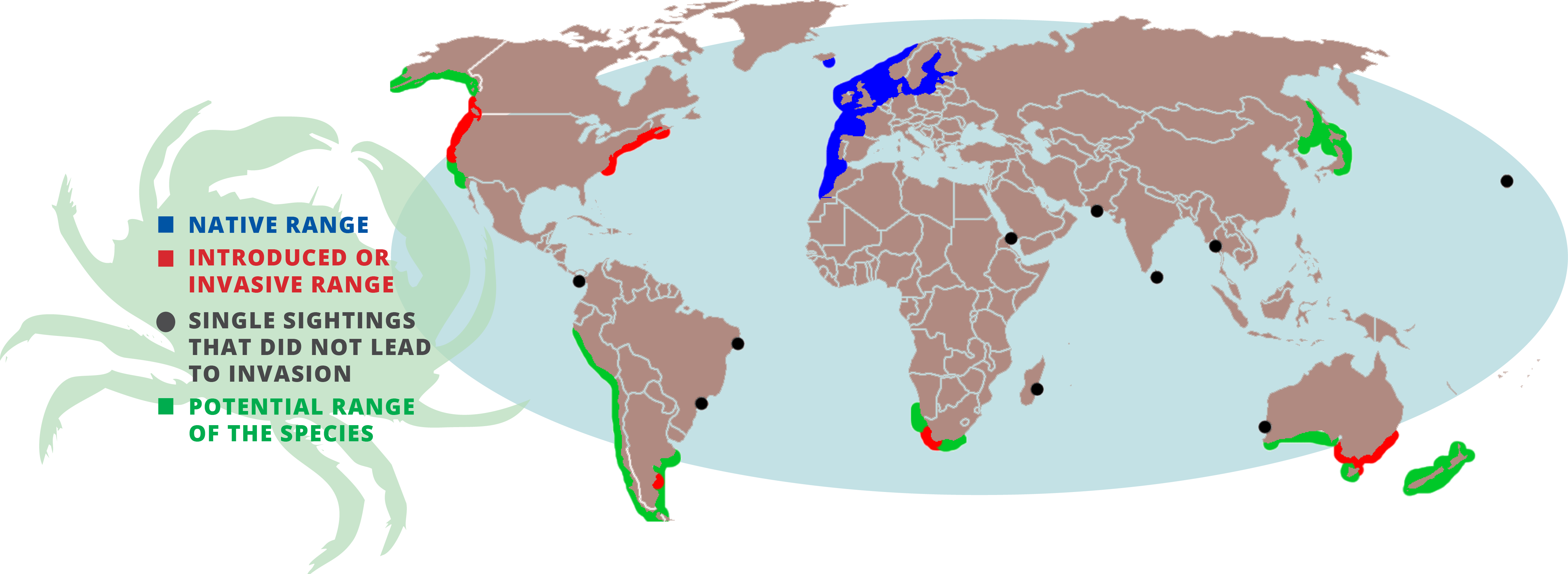
The European green crab (Carcinus maenas) is one of the world’s most aggressive invasive species, classified by the IUCN as one of the 100 worst invaders globally. In North America and Asia it devastates local shellfish and seagrass ecosystems.
Active management — harvest — has emerged as a leading control strategy. The biomass produced is significant and, until recently, has been a disposal problem.
Our Solution
Passive Gear, Local Fishers, Full Valorisation
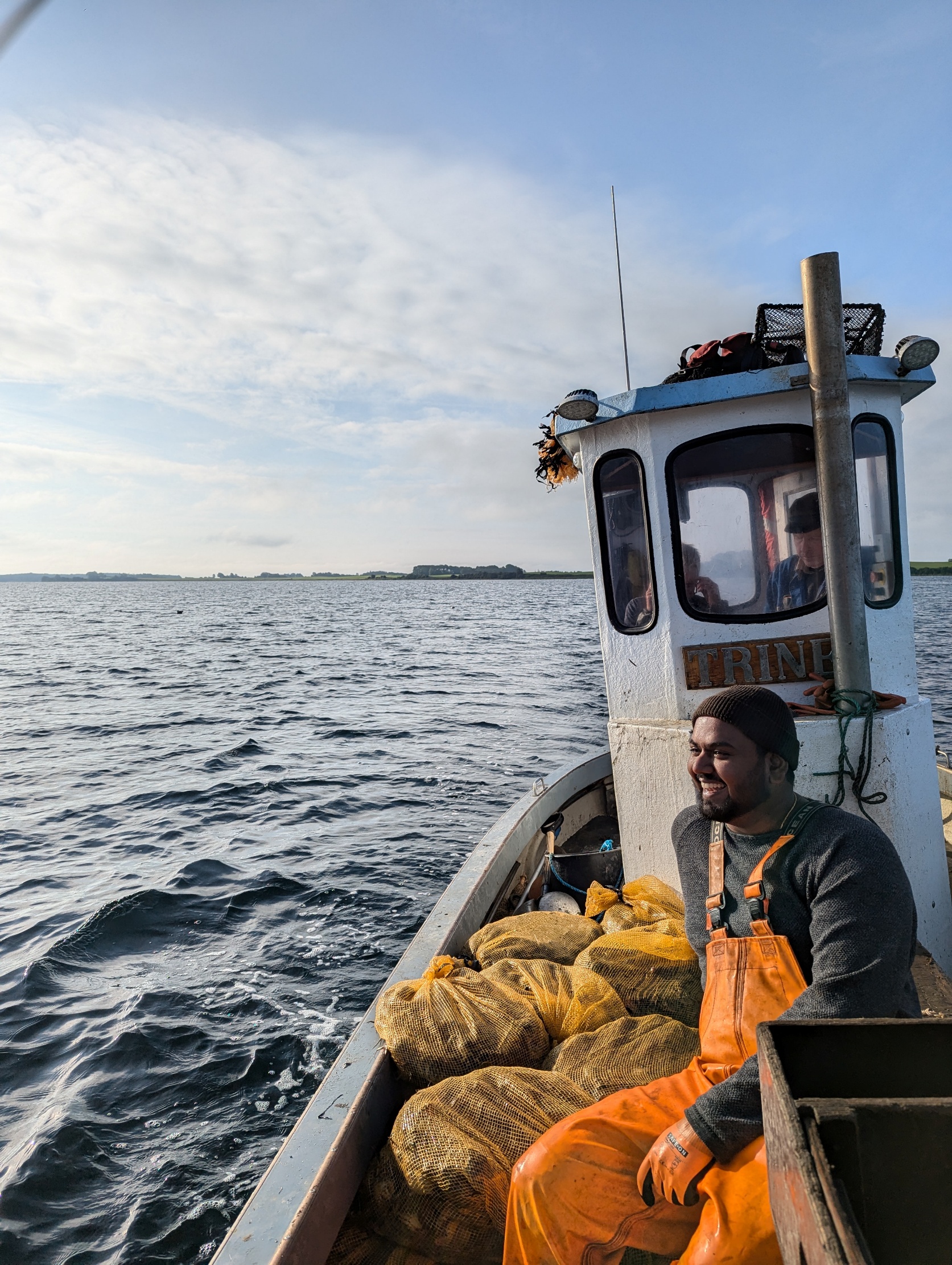
- Harvested with passive gear by local Danish fishers — selective, low-fuel.
- Every fraction valorised — protein for Decameal feed, shells for DecaBio chitosan.
- Zero waste ambition — by-streams find use in soil amendment and bioplastics R&D.
- Local processing in Grindsted and Aarhus — short supply chain, no long-distance feedstock haul.
Circular Economy
From Catch to Industrial Ingredient
1. Harvest
Danish fishers harvest invasive green crab with passive gear.
2. Process
Crab fractionated into protein (Decameal) and shell (DecaBio).
3. Extract
Chitin extracted from shells, deacetylated to chitosan.
4. Apply
Customers integrate chitosan into industrial workflows.
5. Return
End-of-life chitosan biodegrades naturally to nutrients.
UN Goals
Sustainable Development Goals We Contribute To
Responsible Consumption & Production
Full valorisation of an invasive species — every fraction finds a market.
Climate Action
Biodegradable chitosan displaces fossil-based plastics and synthetic flocculants.
Life Below Water
Active control of an invasive species protects native marine ecosystems.
Life on Land
Chitosan biostimulants reduce reliance on synthetic agrochemicals.